
You know that feeling. You’re staring at your closet, the sun is finally shining, and you can almost smell the trail. But what on earth do you wear for a spring hike? It’s 40 degrees at the trailhead, but 70 and sunny at the summit. One minute it’s perfect, the next a chilly breeze cuts right through you. We’ve all been there—the classic spring hiking wardrobe meltdown. Forget the guesswork. I’ve put together the definitive, no-BS list of 17 hiking outfit essentials for spring that will keep you comfortable, dry, and ready for anything Mother Nature throws your way. Let’s get you from confused to trail-ready.
1. The Strategic Base Layer (A.K.A. Your Second Skin)

This is your non-negotiable foundation. Ditch the cotton t-shirt—it’s a sweat sponge that will leave you chilled and miserable. Instead, opt for a lightweight merino wool or synthetic blend top. Why? These materials excel at moisture-wicking, pulling sweat away from your skin so it can evaporate. Merino is naturally odor-resistant (a true gift on multi-day trips), while synthetics dry incredibly fast. Think of this layer as your personal climate control system.
2. The Versatile Mid-Layer for Adjustable Warmth

Your mid-layer is all about trap and release. It traps warmth when you need it and releases it (in the form of venting) when you don’t. A grid-fleece pullover or a lightweight down/synthetic puffy vest is the MVP here. The vest keeps your core warm without overheating your arms, while a fleece provides fantastic breathability. This is the piece you’ll put on and take off a dozen times, so make sure it’s easy to stash.
3. The Weather-Winning Shell Jacket

Spring weather is famously fickle. A sudden shower or a biting wind can turn a hike sour in minutes. Your packable, waterproof and breathable shell jacket is your emergency shelter. Look for one that stuffs into its own pocket. It might live in your pack 80% of the time, but that 20% when you need it? You’ll be thanking your past self for not leaving it in the car.
4. The Convertible Hiking Pant (A Spring Classic)

Perhaps the most iconic piece of a spring hiking outfit: the convertible zip-off pant. Start your hike in the cool morning with full-length protection. When the sun climbs and your legs warm up, zip them off into shorts in under 30 seconds. It’s practicality at its finest. Choose a quick-drying, durable fabric that can handle a surprise brush with wet foliage or an impromptu stream crossing.
5. Lightweight, Quick-Dry Hiking Shorts

For those confidently warm days or as the bottom half of your zip-offs, a dedicated pair of hiking shorts is key. Again, synthetic or nylon blends are your friend. Look for features like a gusseted crotch for better movement, secure pockets (with zippers if possible), and a comfortable, non-chafing waistband. You want freedom, not frustration.
6. Moisture-Management Hiking Socks (No Cotton!)

Your feet are your vehicle. Treat them with respect. A quality pair of merino wool or synthetic hiking socks will cushion your feet, manage blister-causing moisture, and provide temperature regulation. I’m a merino convert—they feel great, don’t stink, and keep my feet happy mile after mile. Trust me, blisters are not a spring souvenir you want.
7. Broken-In, Water-Resistant Hiking Boots or Shoes

Footwear choice is personal, but for spring’s often muddy and variable terrain, I lean towards water-resistant hiking boots or trail runners with good grip. The key word here is broken-in. Never, ever wear brand-new boots on a substantive spring hike. Your feet will stage a mutiny. Make sure they offer solid ankle support if you’re carrying a pack or tackling uneven trails.
8. The Sun-Protecting, Ventilated Hat

The spring sun can be deceptively strong, especially at higher elevations. A lightweight, ventilated cap does triple duty: it shields your face and eyes from UV rays, keeps sweat out of your eyes, and can even offer a bit of warmth on a breezy ridge. A wide-brimmed hat is another great option for maximum coverage.
9. Polarized Sunglasses

This isn’t just a fashion statement. Polarized lenses cut the intense glare off wet rocks, lingering snowfields, and even puddles, reducing eye strain and improving trail visibility. They also protect your eyes from wind and stray branches. Look for a durable, sporty pair that won’t slip off your face when you’re looking down at tricky footing.
10. A Lightweight, Wickable Beanie

A huge amount of body heat escapes from your head. Stashing a thin merino wool or synthetic beanie in your pack is the easiest, lightest way to regain comfort during a windy lunch break or if the temperature drops unexpectedly. It weighs nothing and provides a ton of warmth for its size. It’s a safety item as much as a comfort one.
11. Packable, Touchscreen-Friendly Gloves
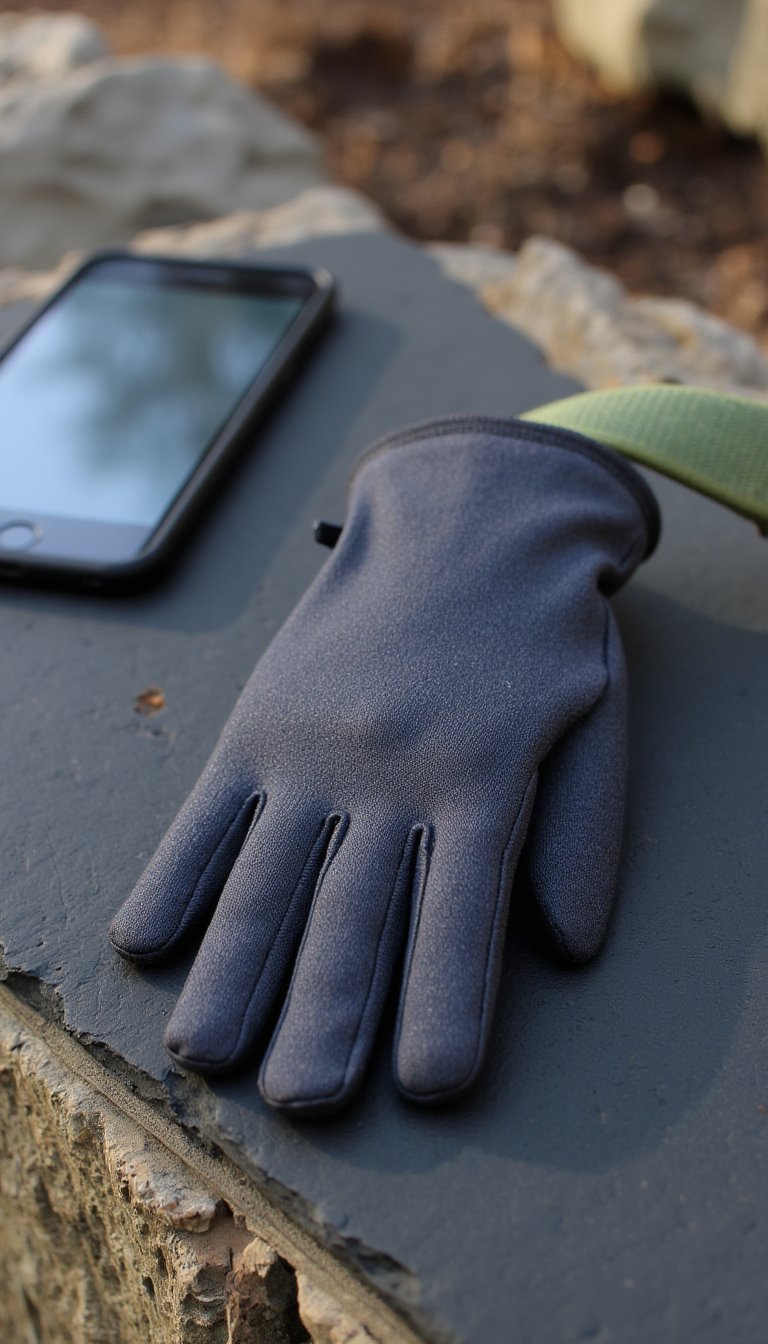
Your fingers can get painfully cold, even when the rest of you feels okay, especially if you’re using trekking poles. A pair of thin liner gloves, often with touchscreen-compatible fingertips, is a spring hiking outfit game-changer. They keep the chill off, allow you to operate your phone or camera without exposing your skin, and pack down to the size of a golf ball.
12. The Trusty Daypack (20-30 Liters)

All these layers need a home when you shed them! A comfortable daypack with padded shoulder straps and a hip belt is essential. The hip belt transfers weight off your shoulders, and external lash points are perfect for securing your shell jacket. Look for one with a hydration reservoir sleeve—staying hydrated is easier when you don’t have to stop and dig for a bottle.
13. Trekking Poles for Stability and Savings

Once you hike with poles, you’ll never go back, especially in spring. They provide stability on muddy, uneven, or slippery trails, take significant pressure off your knees during descents (your future self will thank you), and can even help you test the depth of a puddle or stream. They’re like having two extra, incredibly useful limbs.
14. Gaiters to Keep the Gunk Out

This might seem like a niche item, but for spring hiking, lightweight ankle gaiters are a secret weapon. They seal the top of your boots, preventing mud, sand, snowmelt, and tiny debris (“trail confetti”) from getting inside. Dry, clean feet = happy hiker. They’re a simple solution to a very annoying problem.
15. A Buff or Neck Gaiter (The Ultimate Multi-Tool)
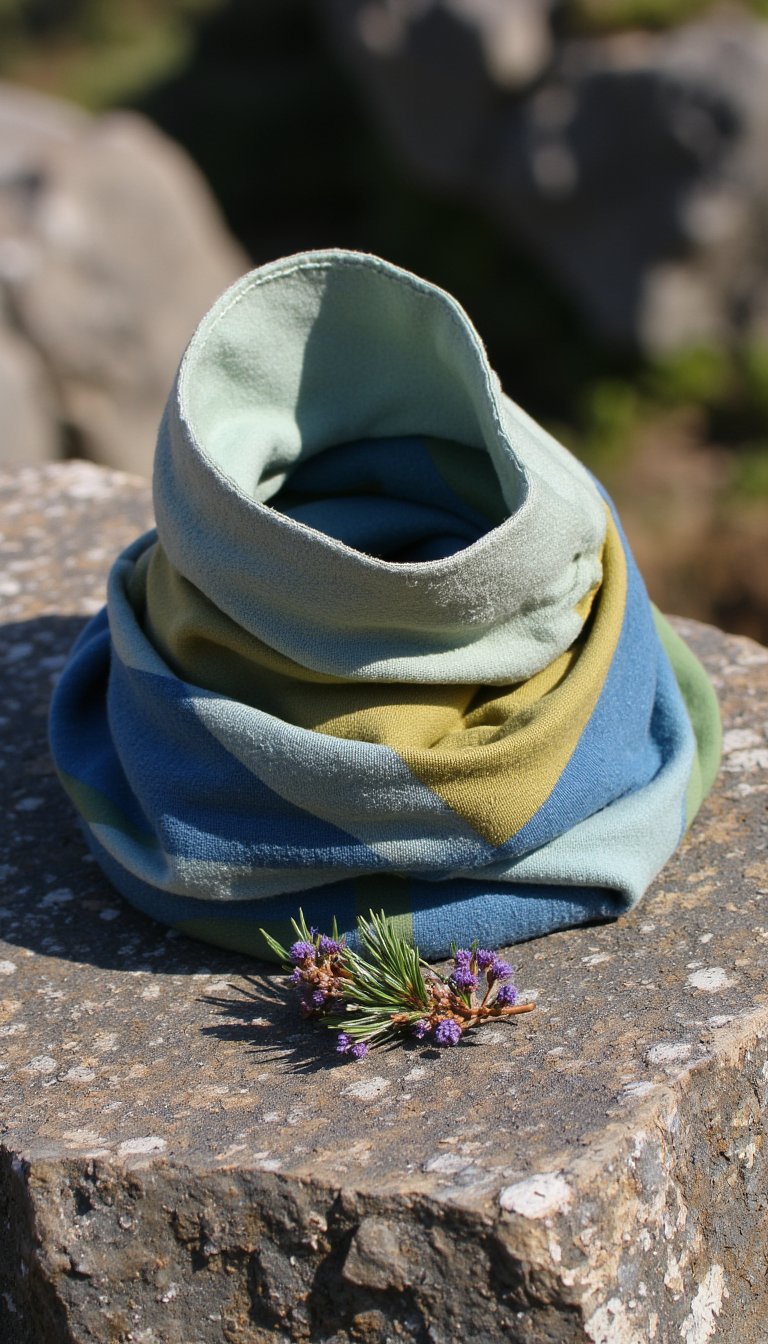
A Buff is the Swiss Army knife of hiking accessories. Wear it as a neck gaiter for warmth, pull it up over your face in a cold wind, use it as a lightweight beanie, a sweatband, or even to secure a makeshift splint (hopefully not needed!). Its versatility in a spring hiking outfit is virtually unmatched for such a small piece of gear.
16. Wicking Underwear (The Final Base Layer)

Completing the head-to-toe moisture-wicking system is often-overlooked but critically important: your underwear. Just like your base layer top, choose a synthetic or merino wool option. This prevents chafing and keeps you dry and comfortable in, ahem, all areas. It’s a small detail that makes a massive difference in overall comfort.
17. The “Just-In-Case” Emergency Layer

This is your safety net. I always pack one extra, warm layer that I do not plan to wear under normal circumstances. Often, this is an ultra-lightweight long-sleeve top or a second, slightly warmer fleece. If you get delayed, injured, or the weather turns dramatically worse, this extra layer can be a crucial part of staying safe and warm while you manage the situation.
So, there you have it—the 17-piece puzzle to assembling the perfect, adaptable spring hiking outfit. The golden rule of spring hiking? Layer, layer, layer. You can always take something off, but you can’t put on what you didn’t pack. By focusing on moisture-wicking fabrics, versatile pieces, and a few key accessories, you transform spring’s unpredictability from a hassle into the best part of the adventure. Now, your closet doesn’t stand a chance. Get those layers sorted, lace up those broken-in boots, and hit that trail. Your spring adventure, in perfect comfort, awaits. 😉
Leave a Reply
You must be logged in to post a comment.